
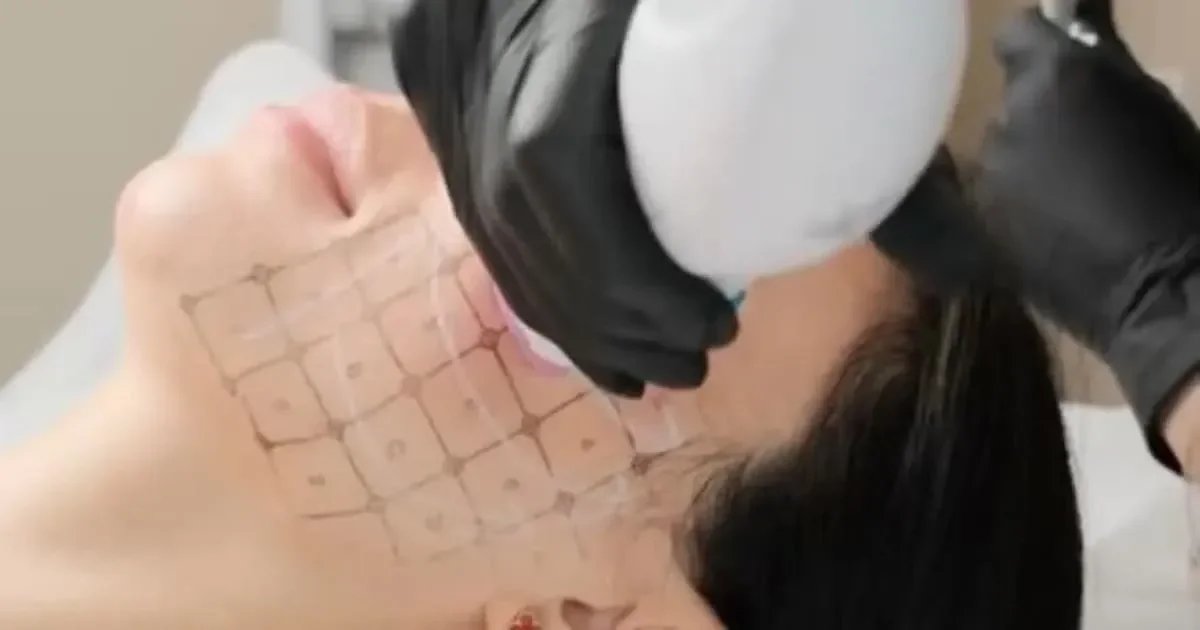
A useful Thermage vs Ultherapy comparison starts with the difference in energy, not a winner. Thermage FLX uses radiofrequency. Ultherapy uses focused ultrasound. GemTech Rejuvenation Center lists both on its Chino Hills services menu. The menu does not say one is better for every person, and it does not publish a fee for either treatment.
Call us today. The front desk can confirm a consultation and the current details for the area you want to discuss.
Search results often turn this choice into a ranking. One page says ultrasound is for lifting and radiofrequency is for texture. Another says one option reaches deeper. Those are other clinics' claims. They are not a GemTech treatment plan, and they are not a promise about your skin.
This guide stays with questions you can check. What energy does each named device use? Which areas does GemTech publish for each listing? What appointment time and downtime note appear on the services page? What should you ask before anyone treats you? If you want a current estimate, that is a separate conversation. This page does not quote a price.
Thermage vs Ultherapy Starts With the Energy
The clearest split in a Thermage vs Ultherapy search is the type of energy. Thermage FLX is a radiofrequency system. Ultherapy is a focused ultrasound system. Both are used in professional settings for non-surgical skin treatment. They are not the same device, and a clearance for one model does not cover the other.
FDA 510(k) records describe the cleared uses of each named system. A 510(k) is a device clearance, not approval of a clinic, and not proof that every person will see the same change. GemTech should not be described as an FDA-approved clinic. Any clearance belongs to the named device and the uses in its labeling.
What the Thermage FLX record covers
The Thermage FLX System, K170758, is a Solta Medical radiofrequency device cleared in 2017. The radiofrequency-only components are indicated for electrocoagulation and hemostasis. They are also indicated for non-invasive treatment of periorbital wrinkles and rhytids, including the upper and lower eyelids, and for non-invasive treatment of wrinkles and rhytids.
A version that pairs radiofrequency with skin vibration has those wrinkle uses too. Its labeling also includes temporary improvement in the appearance of cellulite. It includes relief of minor muscle aches and pains, relief of muscle spasms, and temporary improvement of local circulation.
That record does not say Thermage FLX is the best skin-tightening option. It does not set a GemTech fee, a visit length, or a result you should expect. Solta's safety information also says people with a cardiac pacemaker or other active implant should not have Thermage, and that surface changes, altered sensation, burns, blisters, scabbing, and scarring are among reported effects. A consultation is the place to review whether a device is appropriate.
What the Ultherapy record covers
Ultherapy PRIME is a console update to the Ulthera System, cleared under K233996. The system uses focused ultrasound to create tissue coagulation beneath the skin. The stated aesthetic uses are to lift the eyebrow, lift lax tissue under the chin and on the neck, and improve lines and wrinkles on the chest. A DeepSEE transducer can show tissue up to 8 mm so the person treating you can check coupling and depth. That imaging detail is a device feature, not a guarantee of a visible lift.
Do not call Ultherapy PRIME new in 2025. The PRIME console clearance is from 2024, and the underlying ultrasound approach is older. Homepage wording that calls the treatment new in 2025 is not a date this article will repeat. The services menu lists Ultherapy for skin lifting and tightening of the face, neck, and decollete. That menu line is a GemTech listing, not a personal outcome.
How the Two Listings Differ on the GemTech Menu
GemTech publishes both treatments under device treatments at the Chino Hills clinic. The live services page is the source for appointment estimates. Homepage cards sometimes use different timing language. When those numbers conflict, this article uses the services page and labels it as a published estimate, not a promise.
Comparison at a Glance
Question to compare. Thermage FLX. Ultherapy.
Energy named for the device. Thermage FLX: Radiofrequency. The homepage card also describes cooling and vibration. Ultherapy: Focused ultrasound. The Ulthera clearance describes imaging.
Areas on the GemTech services menu. Thermage FLX: Listed as Thermage FLX. That row does not limit the listing to the face. Ultherapy: Face, neck, and decollete. The row is for lifting and tightening.
Homepage card areas. Thermage FLX: Face, eye area, and body. Ultherapy: Face, neck, and decolletage.
Published appointment estimate. Thermage FLX: 45 to 90 minutes on the services page. Ultherapy: 60 to 90 minutes on the services page.
Published downtime note. Thermage FLX: None listed on the services page. Ultherapy: None listed on the services page.
What this page will not decide. Thermage FLX: It will not set a fee. It will not promise smoothing. It will not rank this above Ultherapy. Ultherapy: It will not set a fee. It will not promise a lift. It will not rank this above Thermage FLX.
The table is a reading aid. It is not a treatment recommendation. A person can be a candidate for one listing, both, or neither. That decision belongs in a consultation, after someone reviews the area, the goal, and medical history.
Areas are not interchangeable
The Ultherapy menu line names the face, neck, and decollete. The cleared ultrasound uses also name the eyebrow, lax tissue under the chin and on the neck, and lines and wrinkles on the chest. Those are specific sites. They do not mean every part of the face or body is part of the same plan.
The Thermage FLX homepage card names the face, the eye area, and the body. The clearance names periorbital wrinkles, including the eyelids, and wrinkles and rhytids more broadly. A body conversation is not the same as an eyelid conversation. If you are comparing the two because of a jawline, a neck, or a chest concern, say which area you mean. A general request for tightening is too broad for either listing.
Potenza is a different device
GemTech also lists Potenza RF microneedling for the face, eyes, and body. That row is not Thermage FLX and it is not Ultherapy. Potenza's published estimate is 90 to 120 minutes, with 2 to 3 days of downtime listed. Radiofrequency in a microneedling device is not the same delivery as Thermage FLX radiofrequency. If your question is Potenza versus Ultherapy, that is a separate comparison. This page does not answer it.
What a Consultation Can Settle, and What It Cannot
People searching Thermage vs Ultherapy usually want to know which visit to book. A consultation can match a concern to a listed service. It cannot honestly promise a jawline, a smoother chest, or a recovery window before the area is reviewed.
Bring one area and one goal. A chin question is more useful than a request for the best tightening treatment. The first lets the conversation stay on the Ultherapy listing and the cleared neck use. The second invites a ranking this clinic does not publish.
Also bring medical history that could change device choice. For Thermage, that includes a pacemaker or another active implant. Ask the same safety question about any device you are considering. Do not assume a menu row with "None" under downtime means the visit will feel like nothing, or that your skin will look unchanged the next day.
Published time is an estimate
On the services page, Thermage FLX is listed at 45 to 90 minutes and Ultherapy at 60 to 90 minutes. Both rows list no downtime. The homepage Ultherapy card instead says 1 to 2 hours and says people can resume activities immediately. The homepage Thermage card says little to no downtime and describes one session as typical.
Those are published estimates, and they do not match each other exactly. They are not a promise that your appointment will last a set number of minutes, or that you will have a set recovery. Ask which estimate applies to the area being discussed, and ask what the visit includes. Numbing, photos, and a consult can change the time on the schedule even when the device time looks short.
Sensation is not a result
The homepage Thermage card describes a warming sensation with each energy pulse, plus cooling and vibration for comfort. The homepage Ultherapy card describes a mild warming sensation. Other websites describe ultrasound as a snap and radiofrequency as a longer heat. GemTech does not publish a pain score, and this article will not borrow one.
Comfort is part of the consultation. Ask what the clinic does during treatment, what you can ask them to pause, and which effects have been discussed for that device. A tolerable visit for someone else is not evidence that your visit will feel the same.
Questions to Ask Before You Choose
A comparison is more useful when you leave with notes, not a slogan. Use the same questions for both listings so you are not mixing a device fact with a clinic estimate.
Which named device is being discussed, Thermage FLX or Ultherapy, and which area would it cover?
Which published appointment estimate applies to that area, and what else is included in the visit?
What downtime note is on the current services page, and what short-term skin changes should you ask about?
Does any medical history, including an implant, change whether that device can be considered?
Will the front desk confirm the consultation details before you come in?
Write the answers next to the area you named. If the answer for the neck differs from the answer for the chest, keep them separate. A single "tightening plan" can hide that difference.
If a page online ranks one treatment as more effective, more painful, or more expensive, do not treat that rank as GemTech's position. Ask the clinic about the device it actually uses and the area you want to discuss. Current fee information, if you need it, should come from the practice. It should not be copied from another clinic's blog.
Call or text (909) 935-9000 to ask which listing matches the area you want to discuss. You can also use the contact form.
How to Read the Menu Without Turning It Into a Promise
The services page is a menu with time and downtime columns. It is not a before-and-after gallery and it is not a quote. Thermage FLX and Ultherapy both show "None" in the downtime column. That word is a published note. It does not mean zero downtime for every person, and it does not mean the treatment is pain-free.
The same page lists other device treatments with different notes. PicoSure lists minimal downtime. Potenza lists 2 to 3 days. HydraFacial lists none. Those rows are context for how GemTech labels its menu. They are not alternatives this article is ranking against Thermage FLX or Ultherapy.
Homepage result language is also easy to over-read. The Ultherapy card says collagen builds over 2 to 3 months and that a look can last 12 to 18 months. The Thermage card says some change may be visible soon and that firming can continue over the following months, with results that vary. Those sentences are marketing descriptions on the homepage. They are not a typical-result promise, and they are not a reason to pick one listing from a search result.
If you want a broader look at how GemTech groups rejuvenation services, the Orange County skin rejuvenation guide covers the wider menu. It does not replace a device comparison. If you are choosing a clinic rather than a device, the Chino Hills medical spa guide covers what to ask a local practice. The full device list, including both of these rows, is on the services page.
Where to have the conversation
The verified clinic is GemTech Rejuvenation Center, 14748 Pipeline Ave Suite A, Chino Hills, CA 91709. Call or text (909) 935-9000, or email gemtechrc@gmail.com. Published hours are Monday through Saturday, 9:30 AM to 6 PM. Sunday is closed. Santa Monica is a target region only. This article does not offer an appointment at a Santa Monica address.
Dr. Marguerite J. Bernett is the site's published medical director. That byline is not a claim that she performs every device visit, and it is not a claim about board certification. Ask who will be in the room for the service you are considering.
A Practical Way to Compare Without Picking a Winner
Start with the concern, then check which listing names that area. A neck or chest question lines up with the Ultherapy menu row and with the cleared ultrasound uses for brow, neck, and chest. An eyelid or broader wrinkle question lines up with the Thermage FLX clearance language. A body question lines up with the Thermage homepage card, not with the Ultherapy menu row. Overlap is possible on the face. Overlap is not a reason to declare a winner.
Next, check the energy in plain words. Radiofrequency and focused ultrasound are different tools. One clearance does not extend to the other device. A clinic that offers both can still recommend only one, or neither, after a consult. Offering both is not proof that combining them is appropriate.
Then check the published estimates side by side, and label them as estimates. Forty-five to 90 minutes is not a promise that Thermage FLX will be the shorter visit. Sixty to 90 minutes is not a promise that Ultherapy will take the full window. "None" in a downtime column is not a promise of an unchanged next day. If the homepage and the services page disagree, ask which note the clinic wants you to use for that area.
Finally, keep money in its own conversation. GemTech does not publish a Thermage FLX fee or an Ultherapy fee on the pages reviewed for this article. Another site's price, or a claim that one treatment is more expensive, is not a GemTech quote. Ask the front desk for current information if cost is part of your decision. Do not treat a consultation request as a published discount or a complimentary offer.
Frequently Asked Questions
Is Thermage or Ultherapy better?
GemTech does not publish a ranking. Thermage FLX uses radiofrequency. Ultherapy uses focused ultrasound. The better question is which named device, if either, matches the area and goal you want to discuss in a consultation.
Which areas does GemTech list for each treatment?
The services page lists Ultherapy for lifting and tightening of the face, neck, and decollete. Thermage FLX is listed as its own device row. The homepage card also names the face, eye area, and body for Thermage FLX. Confirm the area before you book.
How long do the published appointments take?
The services page lists Thermage FLX at 45 to 90 minutes and Ultherapy at 60 to 90 minutes. Both rows list no downtime. Those are published estimates. They can differ from homepage wording, and they are not a guaranteed visit length or recovery window.
Does GemTech publish a price for Thermage vs Ultherapy?
No current GemTech fee was found for either treatment. This comparison does not quote a price. Call or text (909) 935-9000, or use the contact form, if you need current information for a specific area.
Can I book this in Santa Monica?
No. The verified clinic is in Chino Hills. Santa Monica does not have a published street address or hours here. Do not plan an on-site visit there from this article.
Request a Consultation in Chino Hills
If you are comparing Thermage FLX and Ultherapy, bring the area you care about and ask which listing applies. The front desk can confirm the consultation. Call or text (909) 935-9000, email gemtechrc@gmail.com, or use the contact form. The clinic is at 14748 Pipeline Ave Suite A, Chino Hills, CA 91709, Monday through Saturday, 9:30 AM to 6 PM.
